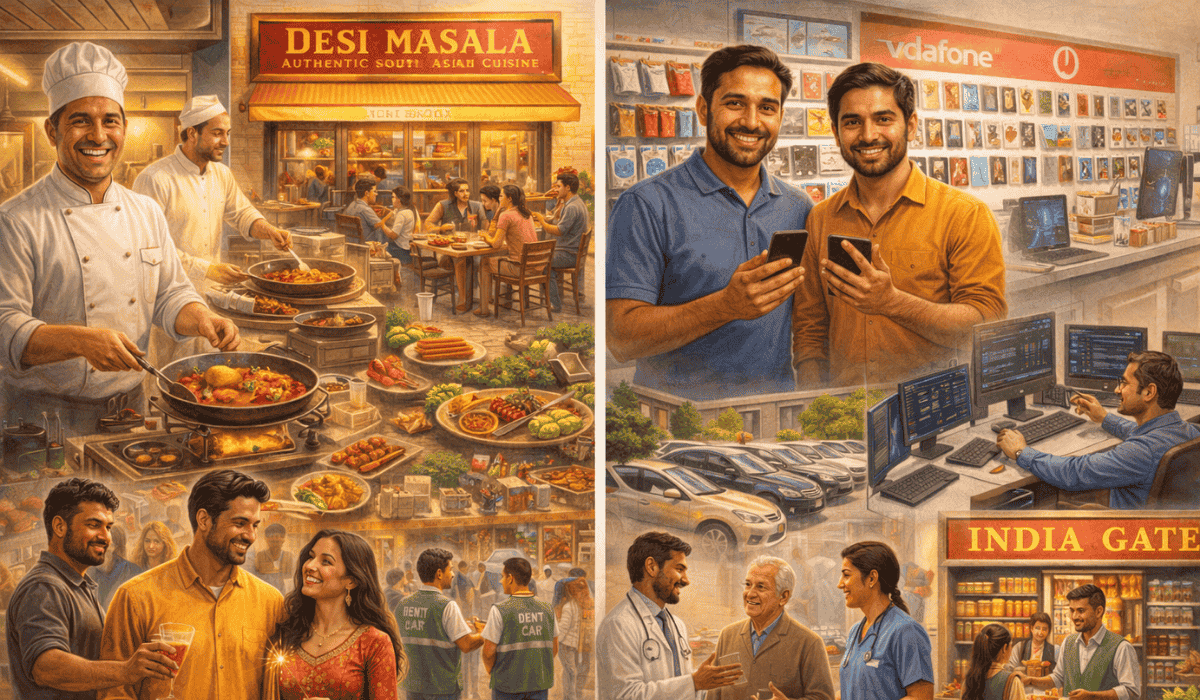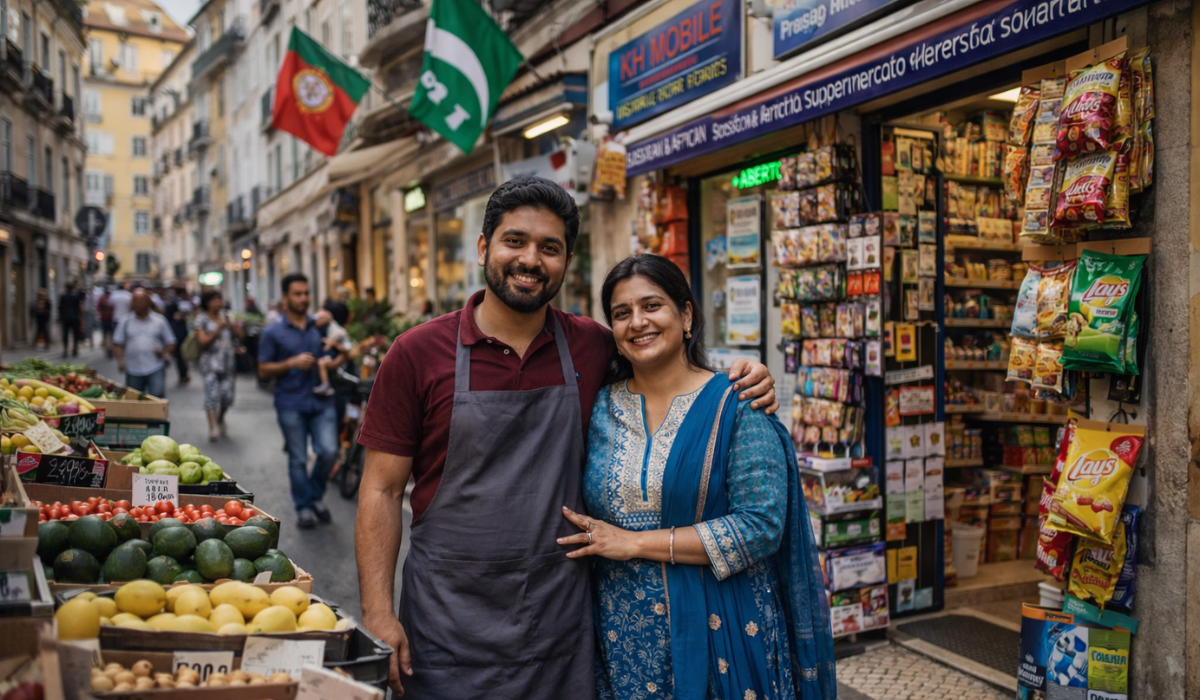
Desi entrepreneurs are playing an increasingly visible role in Portugal’s small-business landscape, particularly in Lisbon, Porto, and the Algarve. Indian, Pakistani, and Bangladeshi migrants have built thriving enterprises in restaurants, mobile phone shops, convenience stores, and rental services, catering both to diaspora communities and local customers. Popular eateries such as Desi Masala and India Gate have become cultural hubs, introducing Portuguese diners to South Asian flavors while anchoring migrant entrepreneurship.
This growth, however, exists alongside structural challenges. Estimates suggest that around 23% of Portugal’s economy operates informally, a reality that shapes many migrant-run businesses. Some desi entrepreneurs initially rely on informal arrangements—cash payments, unregistered labor, or short-term leases—often due to bureaucratic hurdles or lack of access to credit. While informality can lower entry barriers, it also limits scalability, legal protection, and long-term stability.
Simultaneously, opportunities are expanding beyond traditional sectors. Technology and healthcare are emerging as promising frontiers for desi professionals and investors. Indian IT specialists, startup founders, and healthcare workers are increasingly drawn to Portugal’s growing tech hubs and chronic skills shortages in hospitals and elder care.
As regulations evolve and access to financing improves, desi entrepreneurship is gradually shifting from survival-driven businesses toward innovation-led growth—deepening its contribution to Portugal’s economy and urban life.
Business Boom: Desi Entrepreneurs in Restaurants, Retail & Emerging Sectors