

Portugal’s agriculture sector is an essential pillar of the national economy, supporting exports, rural development, and food production. In recent years, the industry has faced a labor shortage, especially during peak harvesting seasons. As the workforce ages and fewer local workers enter farm jobs, the sector is increasingly looking toward international talent to sustain growth.
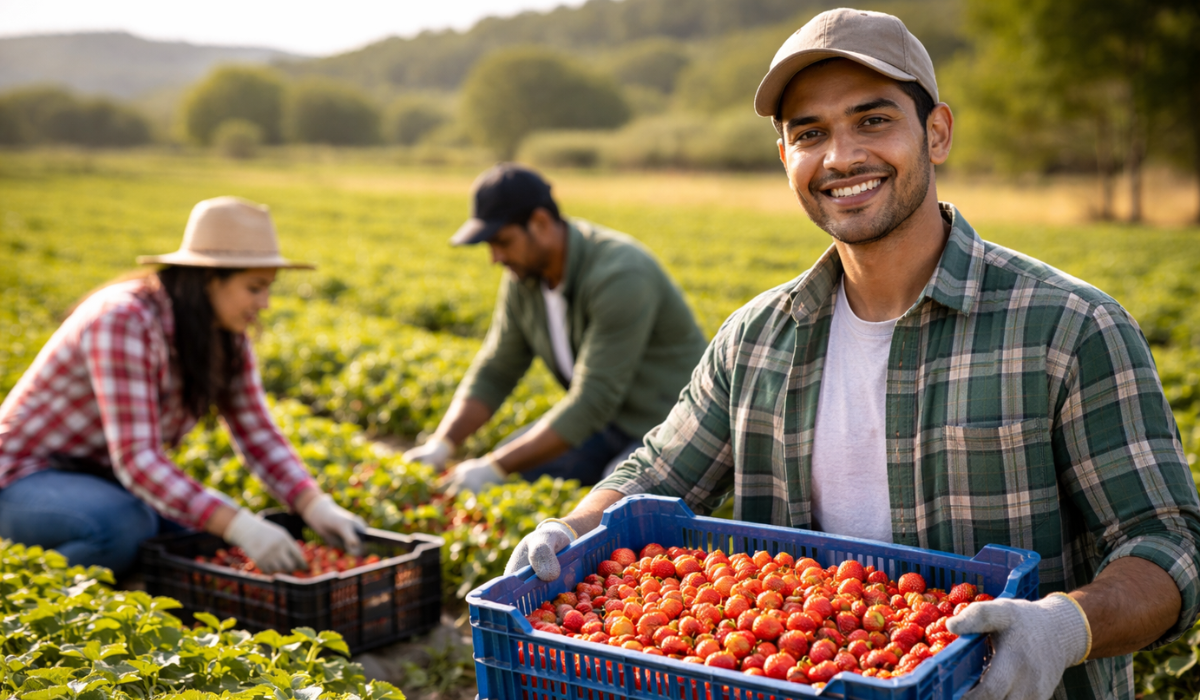
Migrant workers play a vital role in helping farms remain productive and competitive. Their dedication supports key industries such as fruit harvesting, berry production, vineyards, and horticulture. Regions like the Alentejo and Algarve rely heavily on seasonal labor to maintain high-quality exports that reach markets across Europe and beyond.
The labor gap presents an opportunity to strengthen structured recruitment, fair contracts, and skills training programs. By improving pathways for legal employment and investing in worker integration—such as language courses and community support—Portugal can ensure that migrants contribute in safe, transparent, and mutually beneficial ways.
Many migrants bring strong work ethics, adaptability, and resilience, making them valuable contributors to rural communities. With the right policies and collaboration between employers, authorities, and associations, the agriculture sector can thrive while providing stable opportunities for workers.
By turning labor shortages into structured employment growth, Portugal can continue to balance economic needs with inclusion—creating a sustainable future for farms, families, and communities alike.
Portugal’s Agriculture Sector Faces Worker Shortage: A Growing Opportunity for Migrants







Leave a Reply