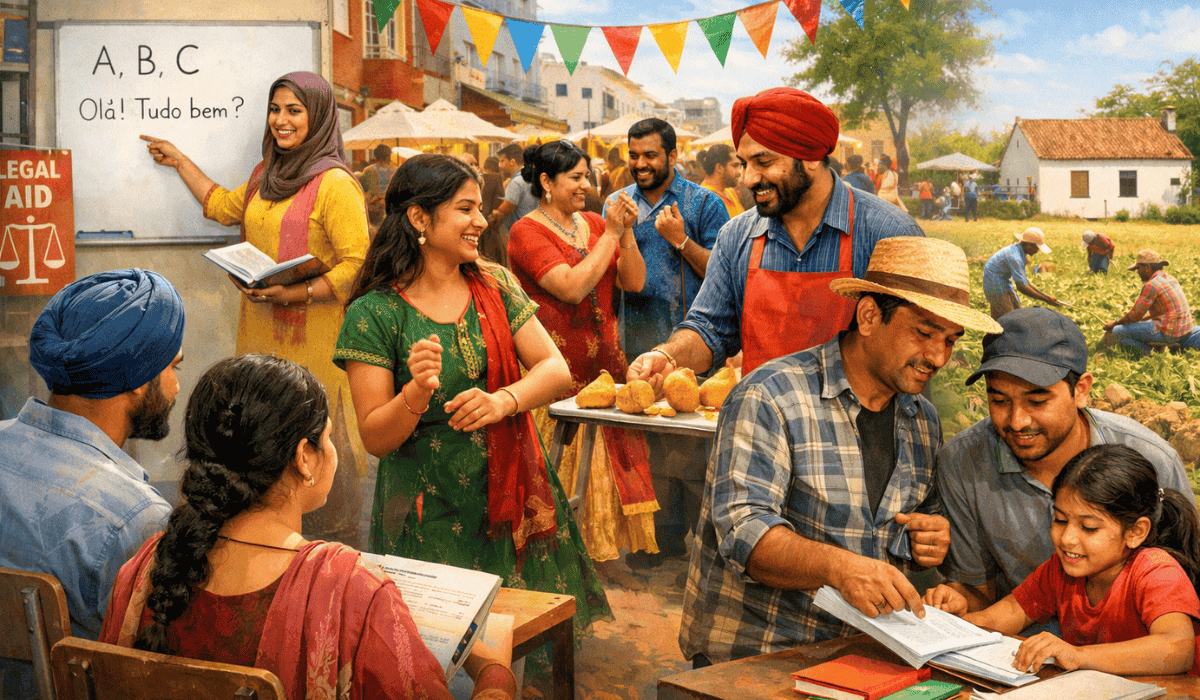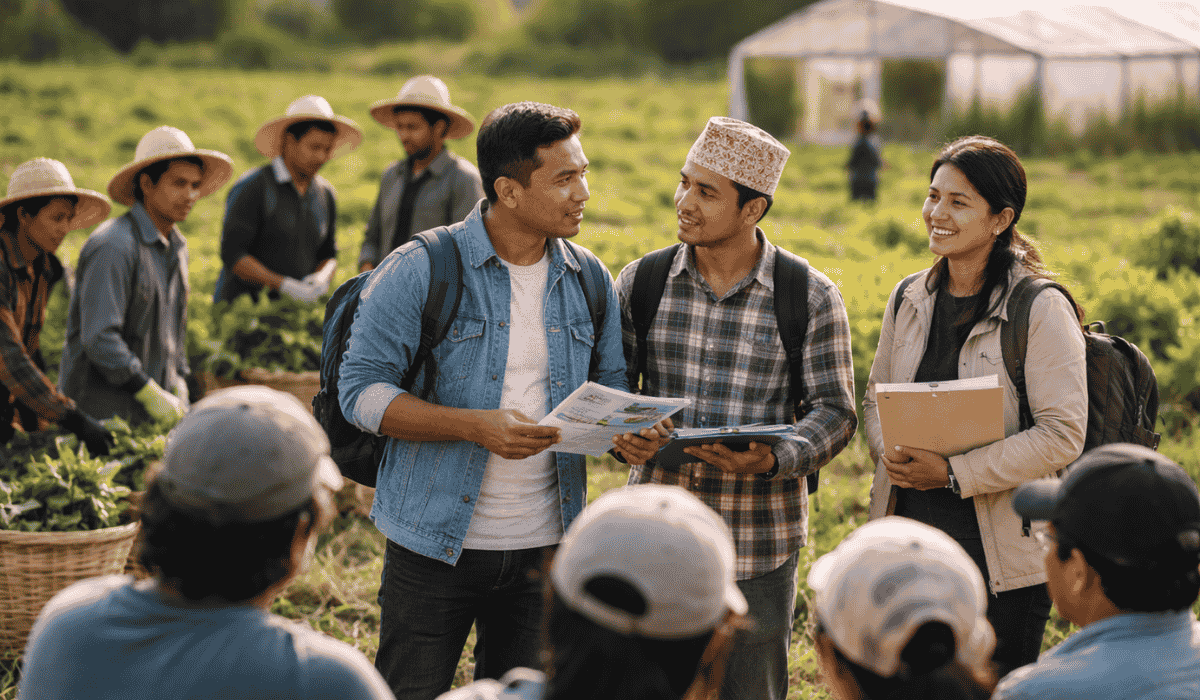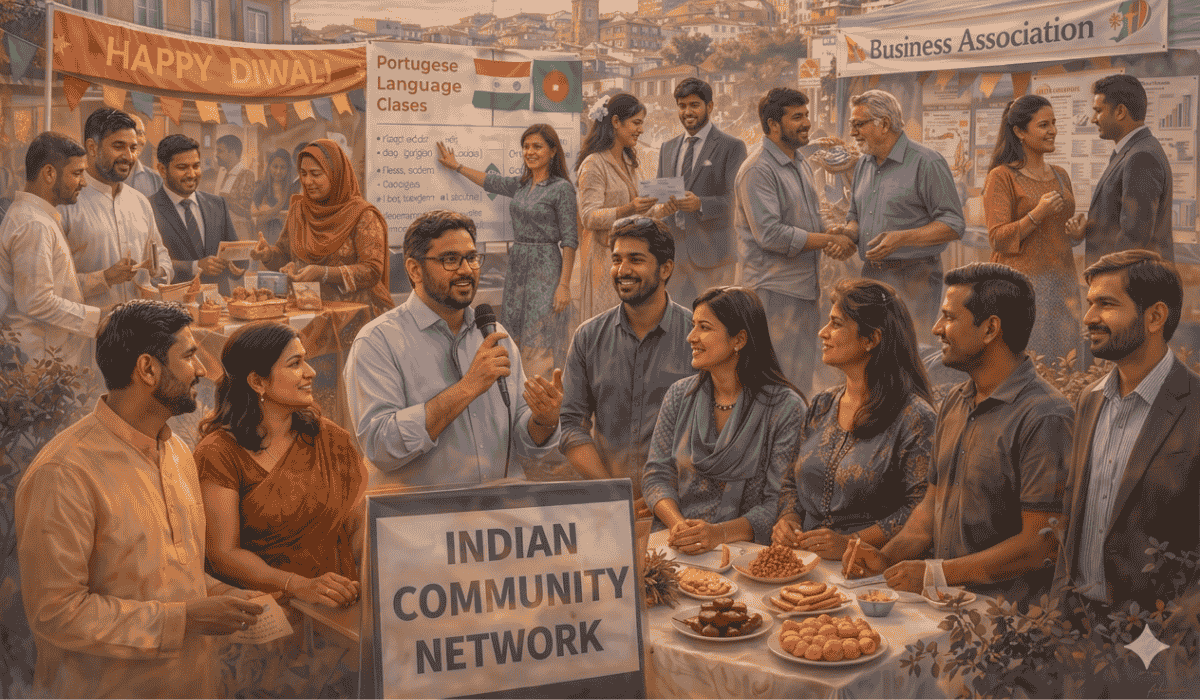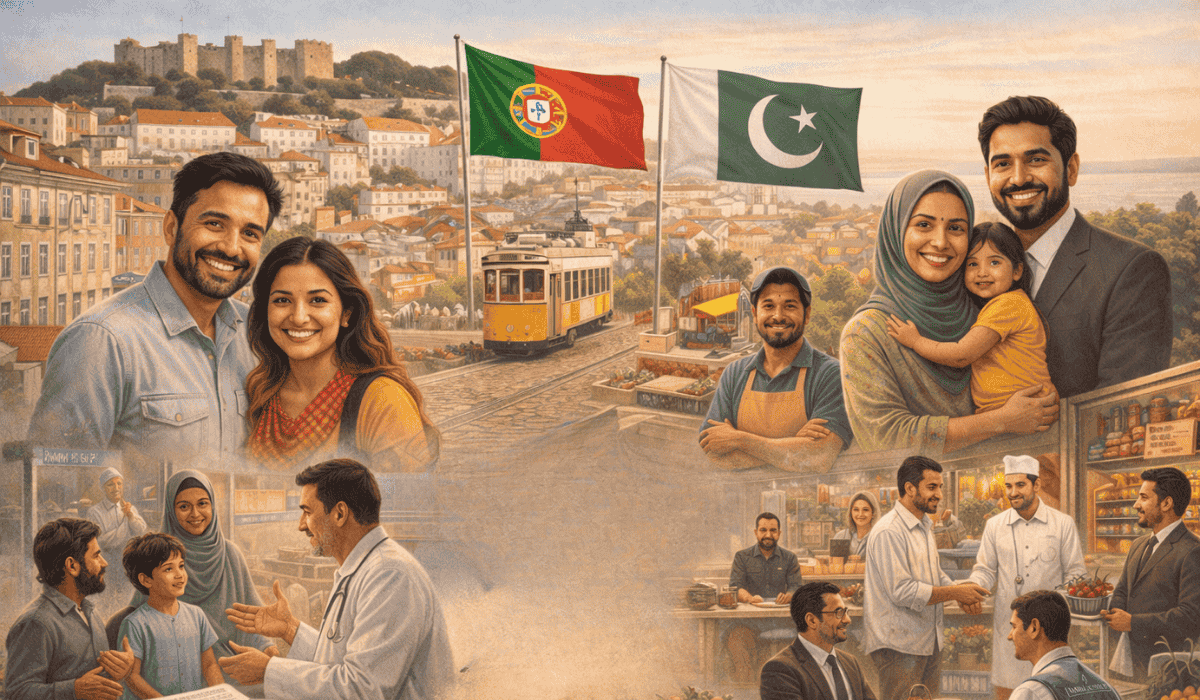
Despite facing vulnerabilities such as precarious work, undocumented status, and cultural adjustment challenges, desi communities in Portugal are making notable strides in integration. From Lisbon’s historic Mouraria district to farms in Faro, South Asian migrants are forming intercultural groups that promote education, legal awareness, and social cohesion.
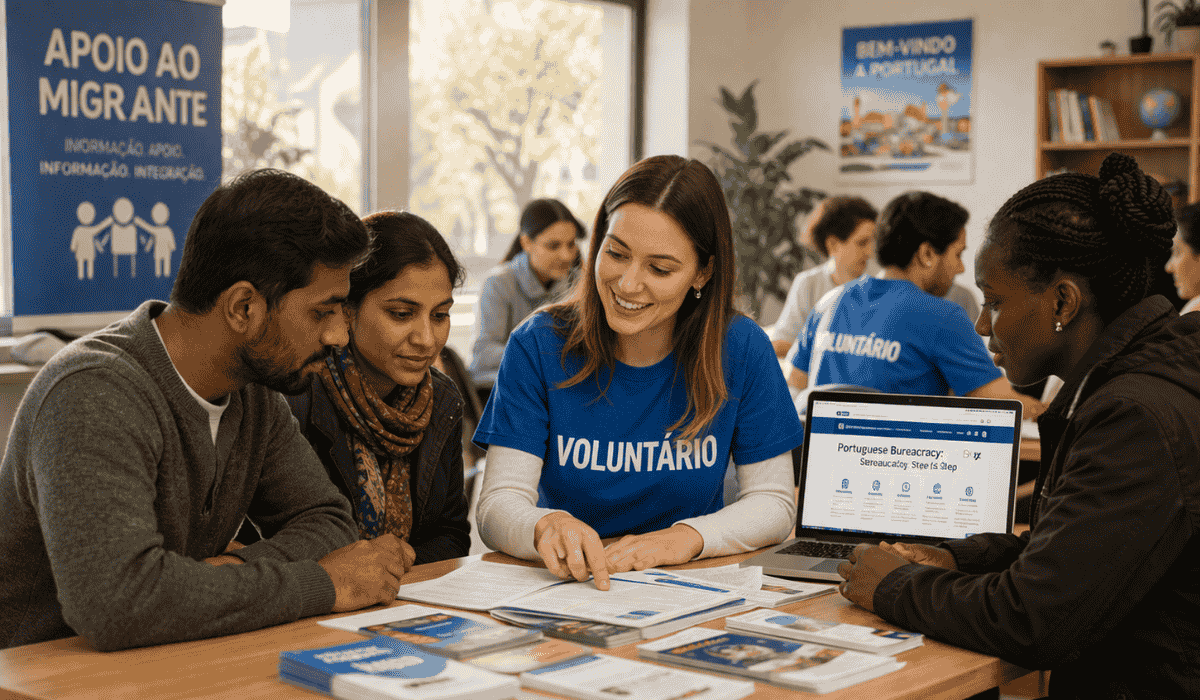
One prominent example is NIALP (Network for Integration and Legal Assistance for the Portuguese), which organizes Portuguese language classes, vocational training, and legal aid for migrants. By teaching language skills and navigating bureaucratic processes, such initiatives empower community members to access healthcare, labor rights, and public services more effectively. Similar grassroots efforts in smaller towns and rural regions help migrant farm workers understand contracts, assert workplace rights, and integrate socially despite long hours and challenging conditions.
Success stories abound: in Mouraria, Indian and Pakistani families have opened small businesses while participating in local festivals, bridging cultural divides with neighbors. In Faro, Nepali and Bangladeshi farm workers have organized cooperative programs for skill development, housing improvements, and youth education.
These achievements highlight that integration is not a one-way process but a collaborative effort. Through community networks, intercultural engagement, and proactive advocacy, desi migrants are transforming vulnerabilities into resilience, contributing to Portugal’s social, cultural, and economic fabric while creating inclusive spaces for future generations.
Integration Wins: Desi Intercultural Groups from Mouraria to Faro